Big Feelings in Kids: How to Help Your Child with Anger, Worry and Sadness
Big feelings are not bad behaviour. They are a skill still under construction. Here is how to stay calm, name the feeling and help your child find their way back.
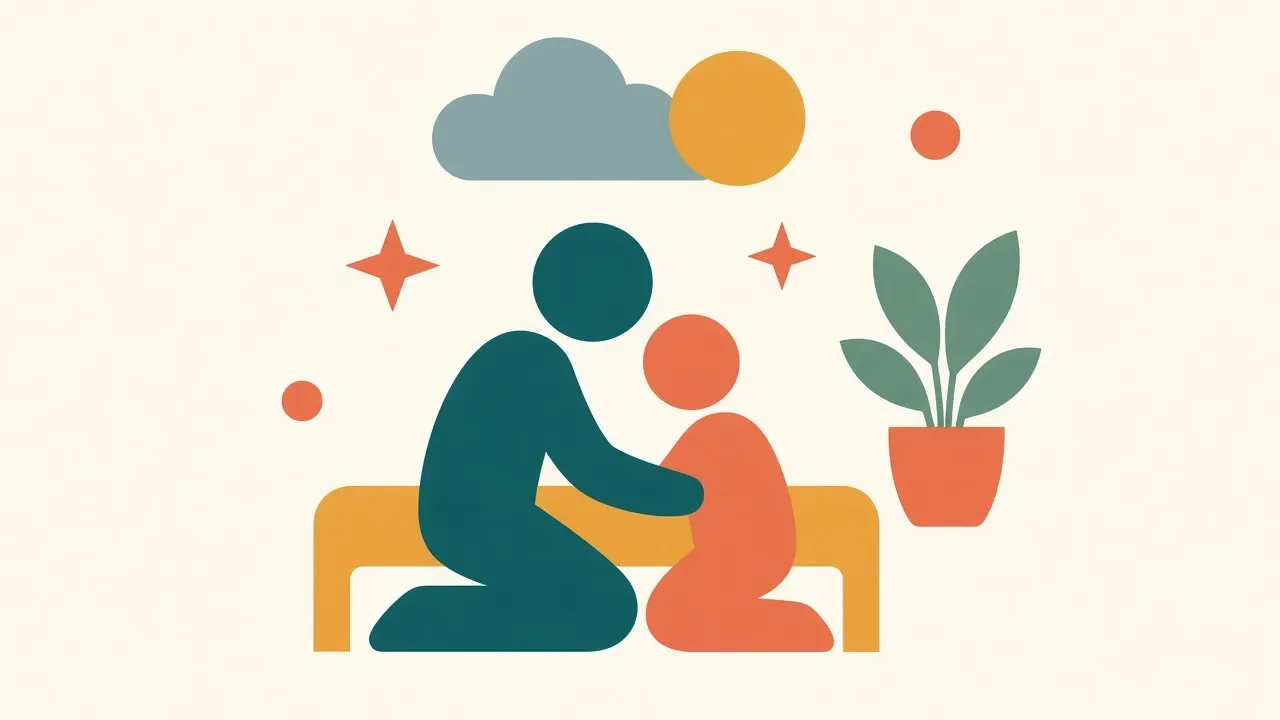
When your child is overwhelmed by anger, worry or sadness, the most helpful thing you can do is stay calm, name the feeling and help them through it before you teach or fix anything. All feelings are allowed; hurting people or things is not. Over time, being calmed by you (co-regulation) is how children learn to calm themselves (self-regulation).
Key takeaways
- Big feelings are normal. The skills to manage them develop slowly, from toddlerhood into the teenage years.
- Your calm is contagious: regulate yourself first, then your child.
- Name it to tame it: putting a feeling into words is the first step to handling it.
- Set limits on behaviour, never on feelings: "You're allowed to be angry. I won't let you hit."
- Teach feelings skills when everyone is calm, through play, books and routines, not in the middle of a storm.
Co-regulation: the way a calm, caring adult helps a child settle strong emotions, by voice, presence and touch, until the child can gradually do it alone.
Emotion coaching: a parenting approach described by psychologist John Gottman in which parents notice emotions, see them as chances to connect, help the child name them and then solve problems together.
Why big feelings are so big in young children
The parts of the brain that help us pause, think and change course, which researchers call executive function, take many years to mature. The Harvard Center on the Developing Child describes these skills as developing across childhood and into adolescence. A three-year-old who throws a cup is not "being manipulative"; their feelings simply arrive faster than their brakes.
That is why lectures in the middle of a meltdown rarely work. As Dan Siegel and Tina Payne Bryson put it in The Whole-Brain Child, you connect first, then redirect.
The CALM method: 4 steps for any big feeling
- C – Calm yourself. Breathe out slowly, lower your voice, get down to their eye level. You can't lend calm you don't have.
- A – Acknowledge and name. "You're really disappointed the park is closed." Guessing wrong is fine; your child will correct you.
- L – Limit behaviour, not feelings. "You can stomp your feet. You can't kick the dog." Keep everyone safe, briefly and kindly.
- M – Make a plan together, later. Once calm, talk about what happened and what to try next time. This is when learning sticks.
Research with adults by Matthew Lieberman and colleagues (2007) found that putting feelings into words reduced activity in the brain's alarm system. With children, naming the feeling also gives them the vocabulary they will one day use on their own.
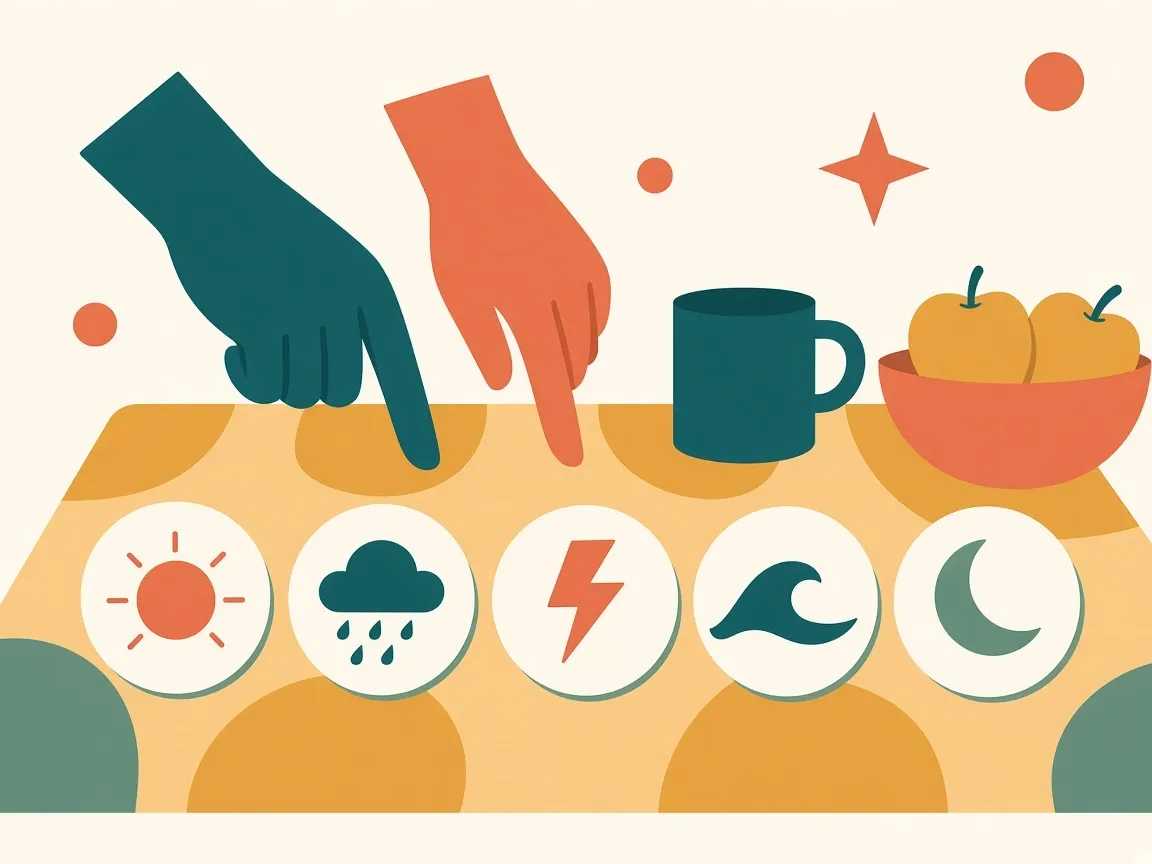
What big feelings look like at each age
| Age | What you might see | What helps most |
|---|---|---|
| 1–3 years | Tantrums, biting, sudden tears, few words for feelings | Staying close, simple words ("mad", "sad"), a safe space, routines |
| 3–5 years | Meltdowns over small things, fears of the dark or monsters | Naming feelings, choices, pretend play about feelings, calm-down corner |
| 6–8 years | Sulking, "it's not fair!", worries about school and friends | Listening first, problem-solving together, breathing games |
| 9–12 years | Mood swings, embarrassment, worries they hide | Side-by-side talks (car, walks), respect for privacy, staying available |
Anger, worry and sadness: what helps each one
Anger
Anger often hides a need: fairness, control, rest. Give a safe outlet (squeeze a pillow, stomp, blow out "dragon breaths"), then look for the need underneath. For toddlers, see our guide to toddler tantrums.
Worry
Worried children need comfort and confidence. Reassure them, but don't remove every challenge: show them you believe they can cope. Our guide to helping an anxious child explains why.
Sadness
Sadness doesn't need fixing straight away. Sit with it: "It's sad to say goodbye to Grandma." A hug and your company teach that sad feelings pass.
Build feelings skills when everyone is calm
Feelings are best taught through play, the idea behind our learning-through-play guide:
- Feelings faces game: pull faces in a mirror and guess the emotion.
- Story pauses: while reading, ask, "How do you think the bear feels now?"
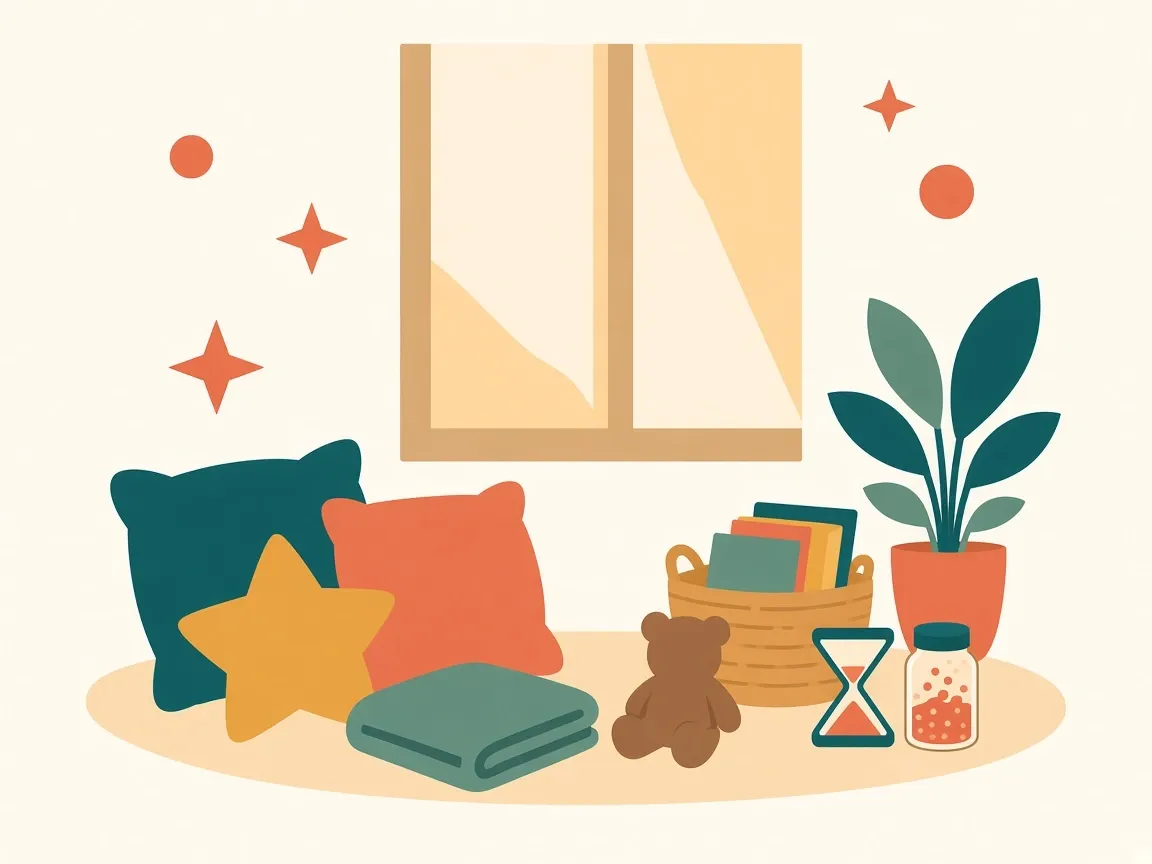
- A calm-down corner: cushions, a blanket, a soft toy and a few books, a place to go to, not a punishment.
- Repair rituals: after a blow-up, show how to make things right (see teaching kids to apologise).
- Protect sleep: tired children have shorter fuses, so a steady bedtime routine helps.
When to ask for help
Talk to your doctor if your child's feelings seem very intense for their age, last for weeks, often lead to hurting themselves or others, or get in the way of sleep, eating, school or friendships. Asking early is a sign of good parenting, not failure.
Frequently asked questions
Is it okay to let my child cry?
Yes. Crying is a normal way for children to release strong feelings. Staying nearby, calm and kind tells your child the feeling is safe, even if you are still holding a limit.
Should I punish my child for a meltdown?
Meltdowns are usually a sign that a child is overwhelmed, not that they are choosing to misbehave. The AAP advises against spanking and harsh words. Calm limits, a short break to settle, and talking it through afterwards work better.
Does naming feelings really help children calm down?
Naming a feeling gives children words for what is happening inside them, which is the first step toward managing it. Brain-imaging research in adults also suggests that putting feelings into words can dampen the brain's alarm response.
Related reading
- Learning Through Play: A Parent's Guide to Raising Kind, Curious, Capable Kids
- Toddler Tantrums: Why They Happen and How to Stay Calm Through Them
- How to Help an Anxious Child: Calm Support That Builds Confidence
- How to Teach Kids to Apologise (and Mean It): A Step-by-Step Guide
- Bedtime Routine for Kids: A Simple, Science-Backed Plan for Easier Nights
Sources
- Gottman J, DeClaire J. Raising an Emotionally Intelligent Child. Simon & Schuster; 1997.
- Siegel DJ, Bryson TP. The Whole-Brain Child. Delacorte Press; 2011.
- Lieberman MD, Eisenberger NI, Crockett MJ, et al. Putting feelings into words: affect labeling disrupts amygdala activity in response to affective stimuli. Psychological Science. 2007;18(5):421-428.
- Center on the Developing Child, Harvard University. Executive Function & Self-Regulation.
- Centers for Disease Control and Prevention (CDC). Positive Parenting Tips.
This article is general information, not medical advice. If you are worried about your child’s health or development, please talk to a doctor.