
How to Teach Kids to Apologise (and Mean It): A Step-by-Step Guide
Forced sorries teach children to say a magic word. Guided repair teaches them to care. Here is a simple, three-step way to apologise that even preschoolers can learn.
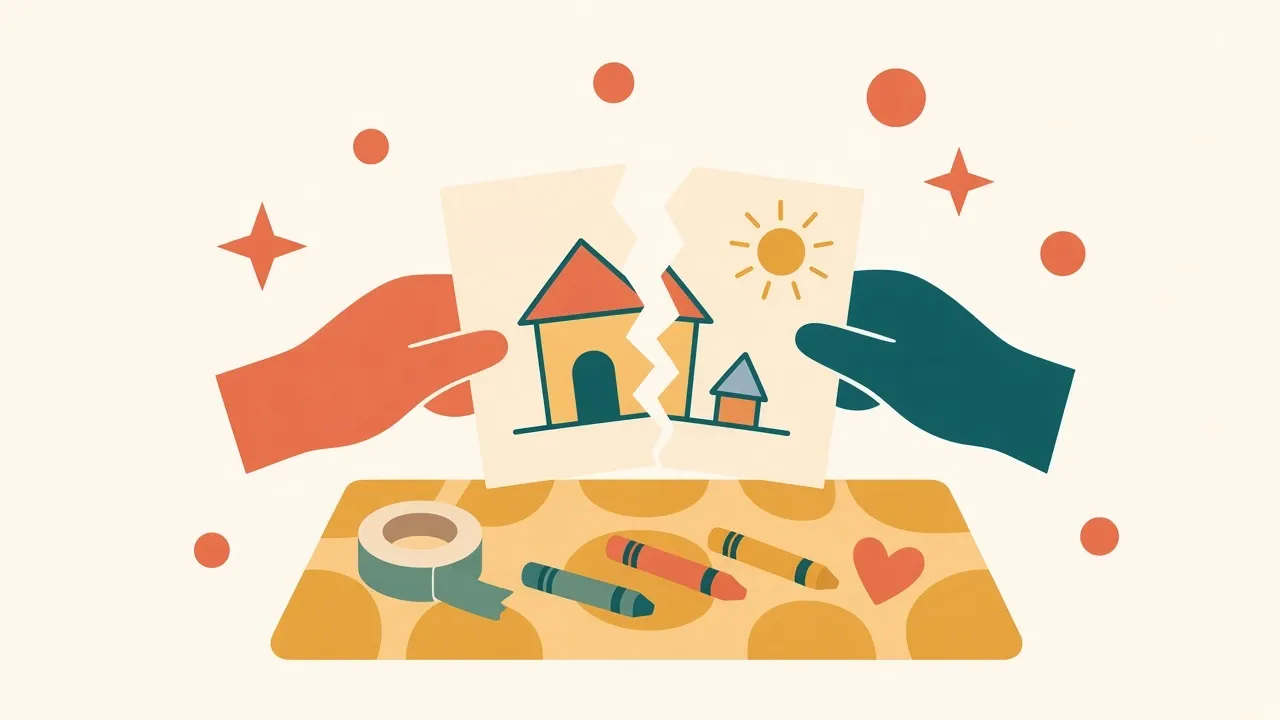
A meaningful apology has three parts: saying what happened, recognising how the other person feels, and doing something to make it right. Making a child say "sorry" on command mostly teaches them a magic word that ends trouble. Coaching them through repair teaches them to care, which is what we actually want.
Key takeaways
- Real apologies are a skill, learned step by step, not a word to be extracted.
- Calm comes first: nobody can apologise sincerely while still furious.
- Check on the hurt child first. It models empathy better than any lecture.
- The "repair" part (helping, fixing, comforting) often matters more to young children than the word itself.
- Children learn the most when they hear you apologise to them.
Repair: any action that tries to put right a hurt you caused, such as fixing, helping, comforting or replacing, often together with words of apology.
Why a forced "sorry" often falls flat
Picture it: one child knocks down another's tower, an adult demands "Say sorry!", and a scowling "SOR-ry" follows. The hurt child doesn't feel better, and the child who apologised has learned that "sorry" is a toll to pay to get back to playing. The Making Caring Common project at Harvard stresses that children learn to care when they are helped to notice others' feelings and to take responsibility, not when they are made to perform.
Shaming doesn't help either. The American Academy of Pediatrics' guidance on Effective Discipline (2018) warns against harsh verbal discipline, such as humiliating or shaming children, and favours teaching, clear limits and warm relationships.
The 3-step apology children can learn
- Say what happened. "I knocked down your tower."
- Recognise the feeling. "You're sad because you worked hard on it."
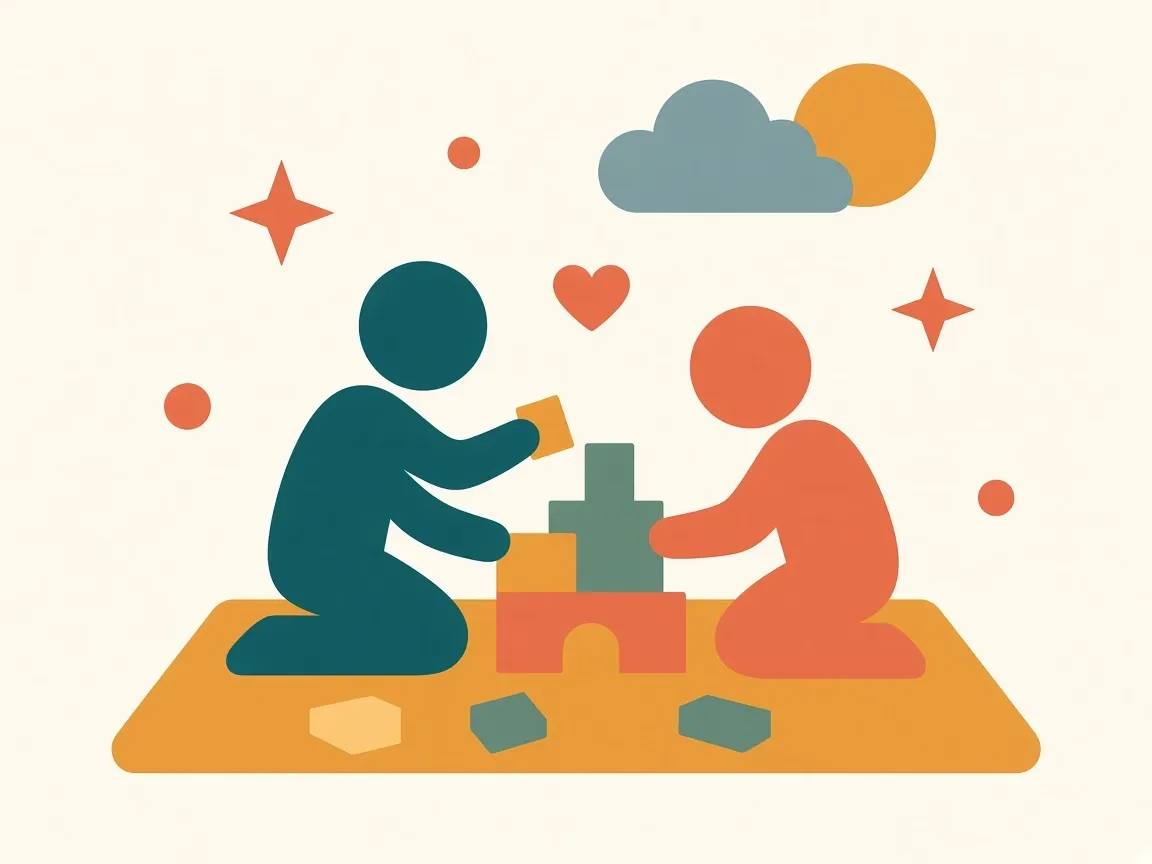
- Make it right. "Can I help you build it again?"
Older children can add a fourth step: "Next time I will…" ("…ask before I run through your game").
What to do in the moment
- Stop and keep everyone safe. Separate if needed, without drama.
- Comfort the hurt child first. Your child watches you do it, which is the first lesson in empathy.
- Help your child calm down. If they're still flooded, the tips in our guide to big feelings come first; for toddlers, see toddler tantrums.
- Coach, don't script. "Look at Lina's face. How do you think she feels? What could help?"
- Accept "not yet". If your child isn't ready, say "We'll make it right when you're calmer" and follow through.
- Close the loop. Afterwards, notice the repair: "You helped her rebuild. She looks happy again."
Apologies by age
| Age | What to expect | What helps |
|---|---|---|
| 1–3 years | Little understanding of "sorry" | Model comfort; offer a simple repair (a hug if welcome, a toy) |
| 3–5 years | Can name some feelings; may say sorry to escape trouble | Practise the 3 steps with teddies in pretend play |
| 6–8 years | Understands fairness; can feel embarrassed | Allow private apologies; invite their ideas for repair |
| 9–12 years | Can see others' perspectives well; pride may get in the way | Talk it through side by side; written notes can be easier |
Show them how it's done
The most powerful lesson is your own apology. "I'm sorry I shouted. I was stressed, and that wasn't fair to you. Next time I'll take a breath first." Psychologist John Gottman, whose work on emotion coaching is described in our guide to big feelings, has long emphasised that healthy relationships are not those with no ruptures but those where people repair them.
Apologies sit within a bigger picture of teaching kindness: a child who feels safe, understood and capable is far more likely to own their mistakes. And like everything else, practising in play, with learning through play, makes the real moment easier.
Frequently asked questions
Should I make my toddler say sorry?
Toddlers can't yet understand what an apology means, so a forced 'sorry' mostly teaches a ritual. Instead, model it: 'Ouch, Sam is crying. Let's bring him his teddy.' The words will follow the actions.
What if my child refuses to apologise?
Don't turn it into a power struggle. Check on the hurt child, give your own child time to calm down, then offer a way to repair: a drawing, a helping hand, or saying sorry later. A sincere apology an hour later beats an angry one now.
Should parents apologise to their children?
Yes. When you snap or get something wrong, a short, sincere apology shows your child exactly what a good one sounds like, and it strengthens trust between you.
Related reading
Sources
- Making Caring Common Project, Harvard Graduate School of Education. Resources for families.
- Sege RD, Siegel BS; Council on Child Abuse and Neglect; Committee on Psychosocial Aspects of Child and Family Health. Effective Discipline to Raise Healthy Children. Pediatrics. 2018;142(6):e20183112.
- Gottman J, DeClaire J. Raising an Emotionally Intelligent Child. Simon & Schuster; 1997.