How to Teach Kids Kindness and Empathy: Everyday Ideas by Age
Toddlers already want to help. Kindness grows when we notice it, practise it together and widen the circle of people our children care about.
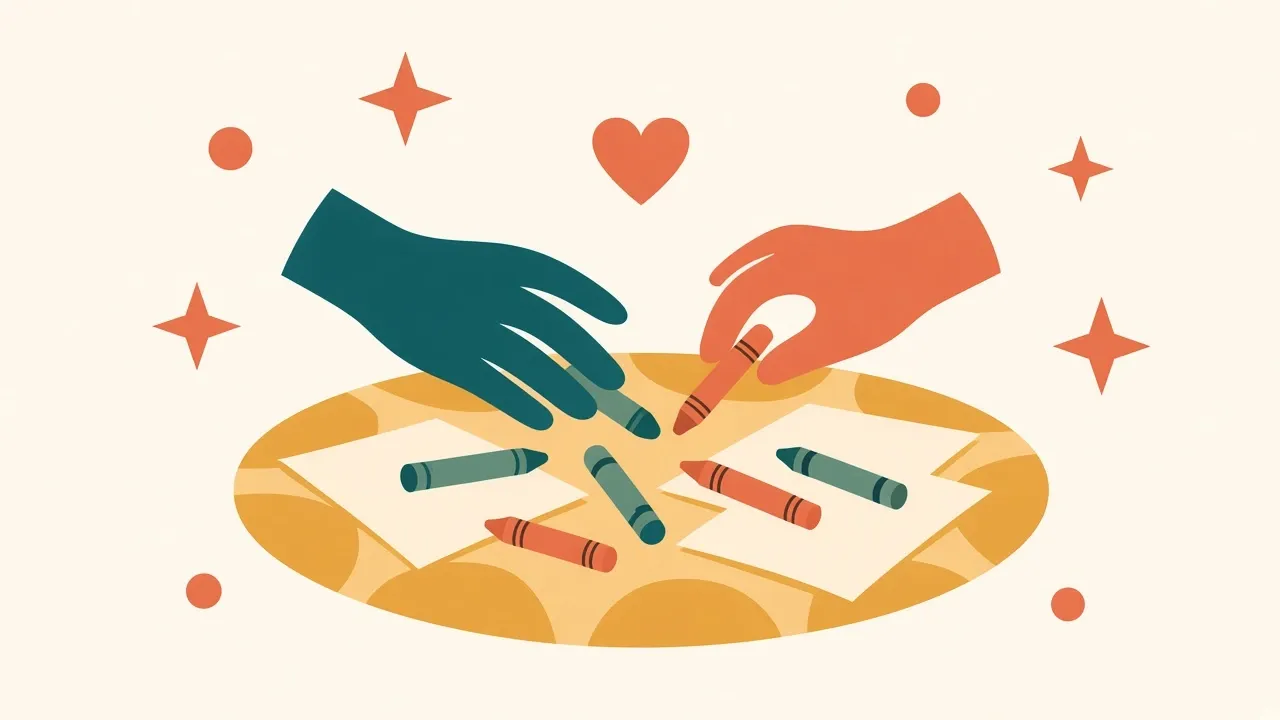
Children learn kindness mostly by seeing it, practising it and having it noticed, not by being told the rules. Research shows that toddlers as young as 18 months help others spontaneously, so the parent's job is less about installing kindness and more about protecting and growing an instinct that is already there.
Key takeaways
- Kindness is a habit built through small daily actions, not a lecture.
- Children copy what you do far more than what you say: your kindness to strangers, partners and yourself is the lesson.
- Notice kind acts out loud; avoid paying for them with treats or toys.
- Empathy grows when children are helped to imagine how others feel, in stories, play and real life.
- Widen the circle: care for people who are different from us, not only friends and family.
Kindness: choosing to act in a way that helps or comforts someone else, even when nobody is watching or rewarding you.
Empathy: understanding, and to some degree sharing, what another person is feeling. It is the "why" behind kind actions.
Children are born helpers
In a 2006 study published in Science, Felix Warneken and Michael Tomasello showed that 18-month-olds helped an unfamiliar adult who "accidentally" dropped a clothes peg or could not open a cupboard, without being asked or praised. A follow-up study (2008) found something surprising: toddlers who received a material reward for helping later helped less than toddlers who had not been rewarded. The urge to help seemed to fade once it became a transaction.
The lesson for parents is simple: say thank you and name the kindness, but don't turn it into a sticker economy. "You held the door for Grandpa. That made it easier for him" is enough.
Five things that build caring kids
The Making Caring Common project at the Harvard Graduate School of Education suggests a few core habits, adapted here:
- Make caring a priority, and say so. "The most important thing is that you are kind" sends a clear message among all the talk of grades and goals.
- Give daily chances to practise. Helping a sibling, feeding the cat, writing a thank-you drawing: kindness is a muscle.
- Widen the circle of concern. Talk about the new child in class, the bus driver, people in other countries.
- Be the model. Children watch how you speak to waiters, neighbours and to them when you are tired.
- Help them handle tough feelings. It is hard to be kind while flooded with anger or jealousy, which is why our big feelings guide matters here too.
Kindness ideas by age
| Age | What kindness looks like | Try this |
|---|---|---|
| 1–3 years | Bringing a toy to a crying child, copying your comforting | Name feelings in picture books: "He's sad. What could help?" |
| 3–5 years | Sharing with support, pretend caring games | Play "teddy hospital"; take turns being nurse and patient. |
| 6–8 years | Noticing fairness, helping friends | At dinner, play "kindness detective": who did something kind today? |
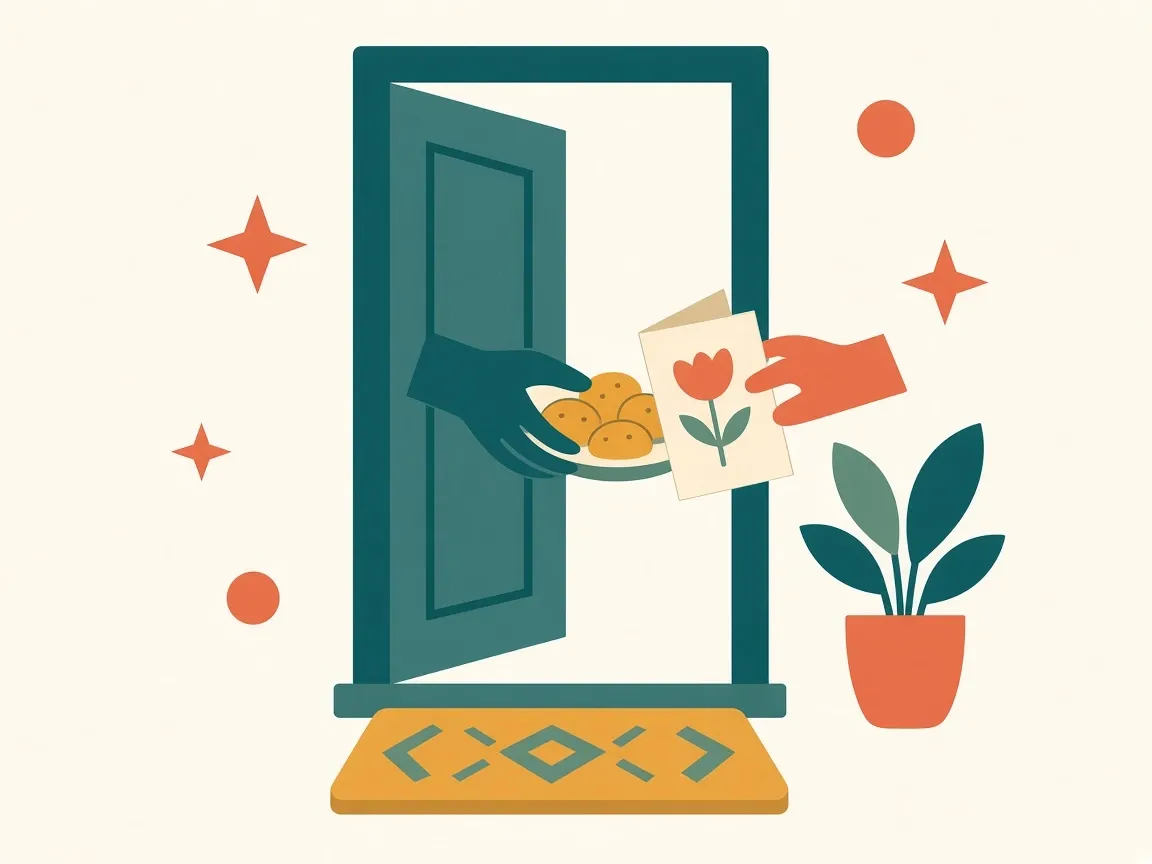
| 9–12 years | Standing up for others, small projects | Plan a neighbour gift or a donation drive together. |
Everyday habits that make a difference
- Read and wonder. Pause stories to ask how a character feels and why. This is learning through play at its simplest.
- Repair, don't just punish. When your child hurts someone, help them make it right; see our guide on teaching kids to apologise.
- Give real responsibility. Children who contribute at home learn that others depend on them (see chores by age).
- Use "we" language. "In our family, we help when someone drops something."
- Skip forced hugs. Kindness also means respecting bodies, including your child's own.
What tends to backfire
Shaming ("Why are you so mean?"), forced apologies said through gritted teeth, and big rewards for good deeds all teach the wrong lesson. Aim for warmth, clear expectations and lots of practice. Kindness grows slowly, like everything worth growing.
Frequently asked questions
At what age do children start to show kindness?
Very early. In a well-known study, 18-month-old toddlers spontaneously helped an adult who could not reach a dropped object. Understanding other people's feelings keeps developing through the preschool and school years.
Should I force my child to share?
Forced sharing tends to teach that the bigger person wins. Taking turns works better: 'You can have the scooter when the timer rings.' Your child learns fairness, and the wait is predictable.
Should I reward my child for being kind?
Warm words are fine; prizes are risky. In one experiment, toddlers who received a toy for helping later helped less than toddlers who were simply thanked. Notice and name the kindness instead.
Related reading
Sources
- Warneken F, Tomasello M. Altruistic helping in human infants and young chimpanzees. Science. 2006;311(5765):1301-1303.
- Warneken F, Tomasello M. Extrinsic rewards undermine altruistic tendencies in 20-month-olds. Developmental Psychology. 2008;44(6):1785-1788.
- Making Caring Common Project, Harvard Graduate School of Education. Resources for families.
- Yogman M, Garner A, Hutchinson J, et al. The Power of Play: A Pediatric Role in Enhancing Development in Young Children. Pediatrics. 2018;142(3):e20182058.